CHINA MANUFACTURER · GLOBAL SUPPLY

Heat transfer,
engineered to fit.

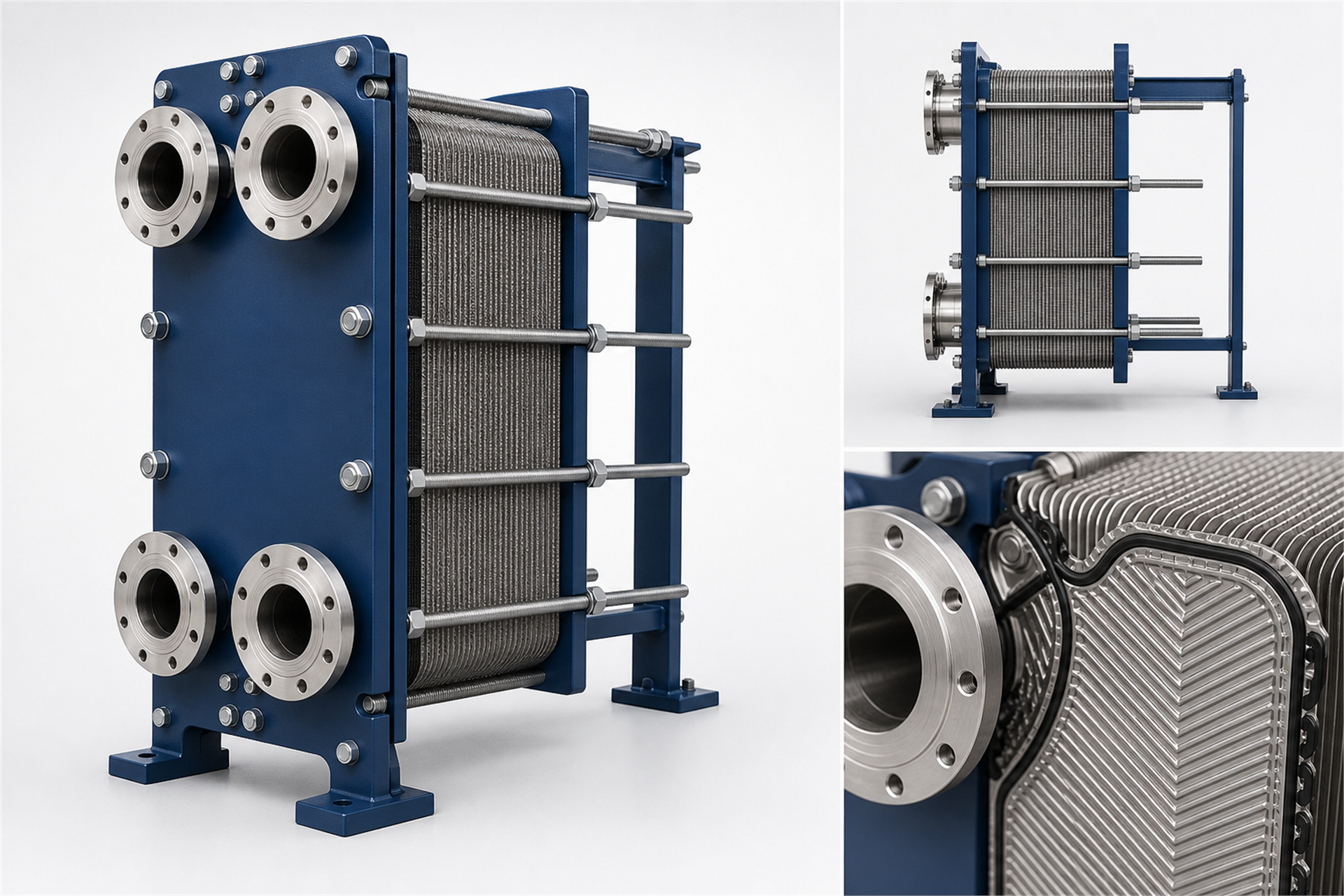
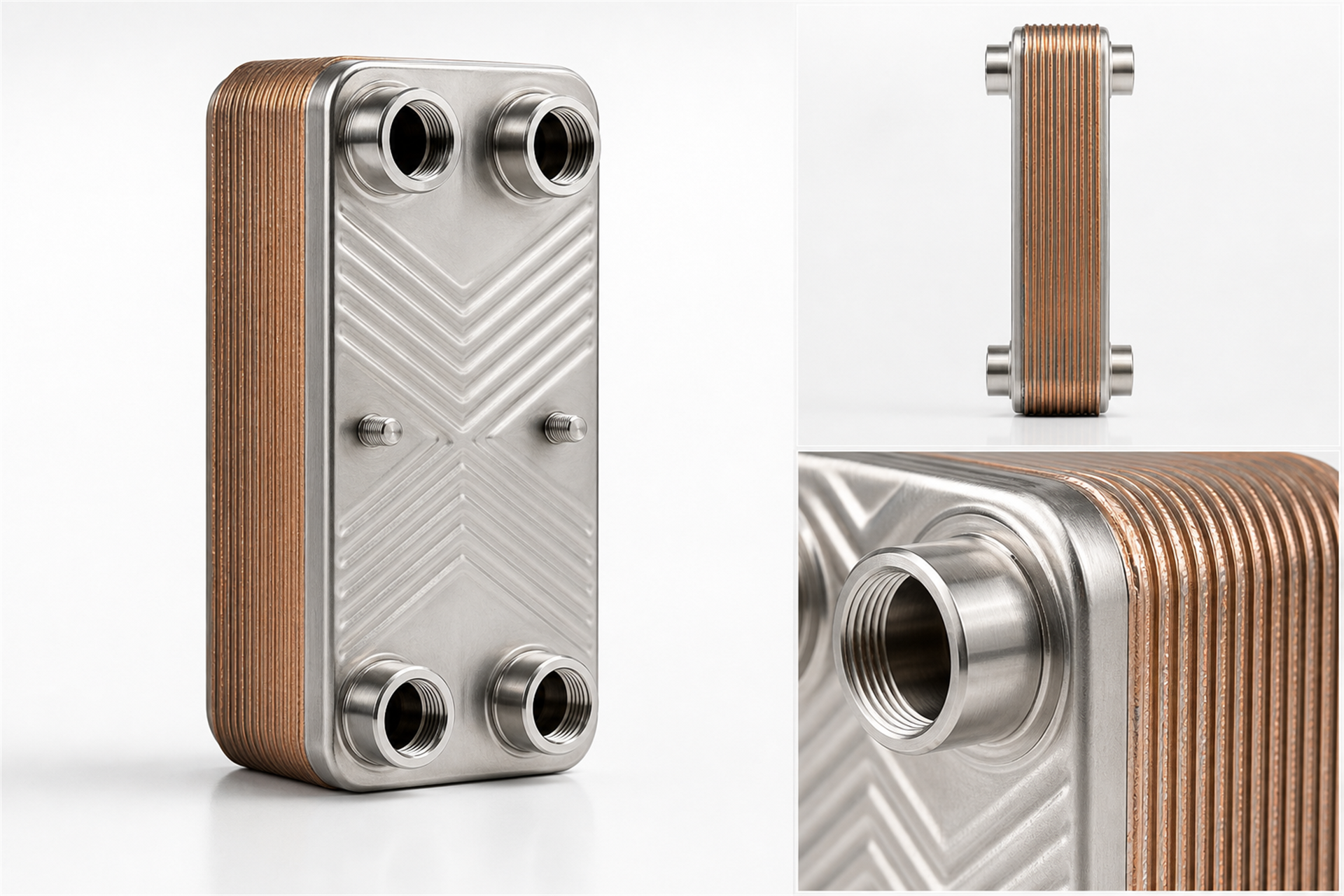
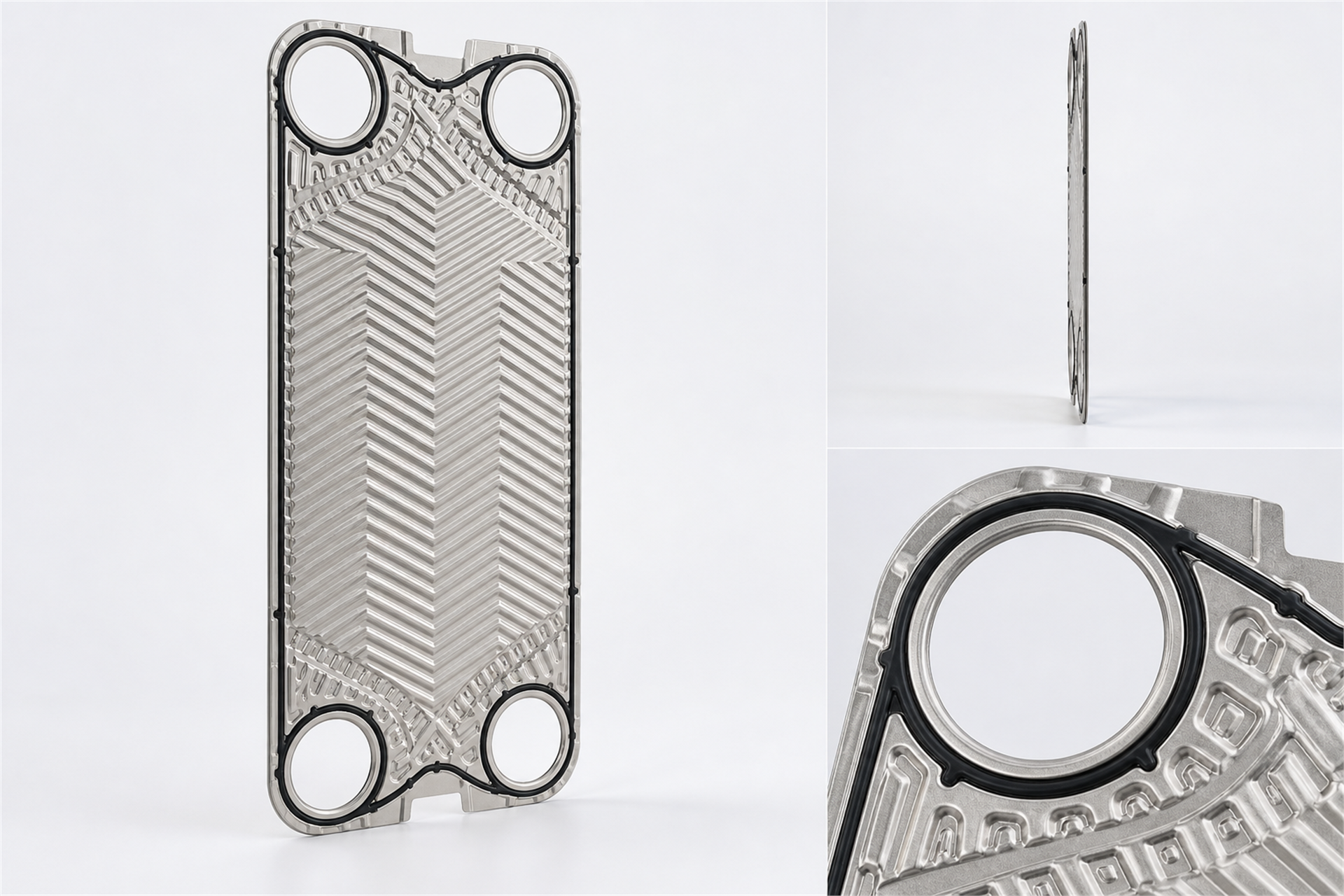
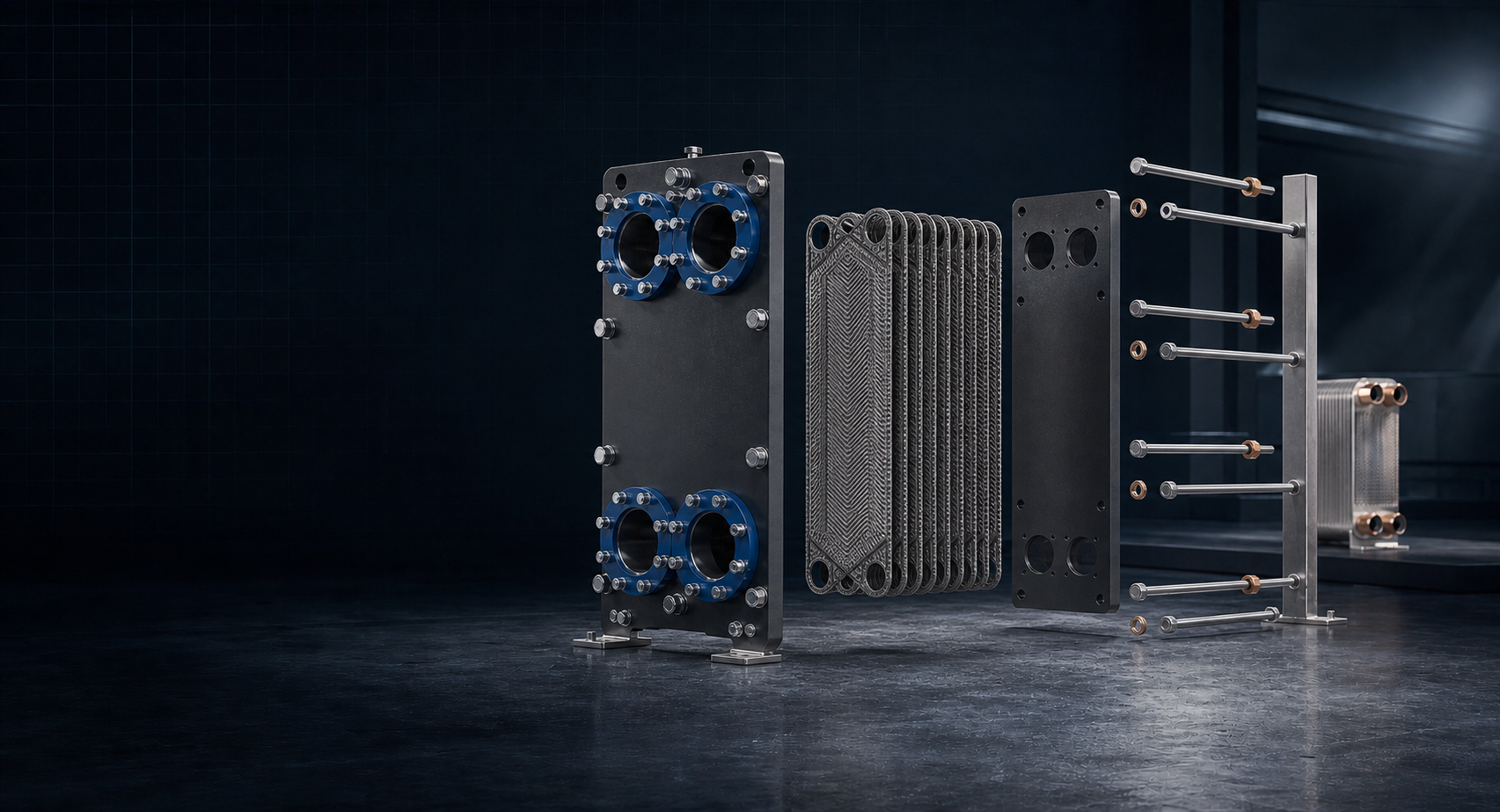
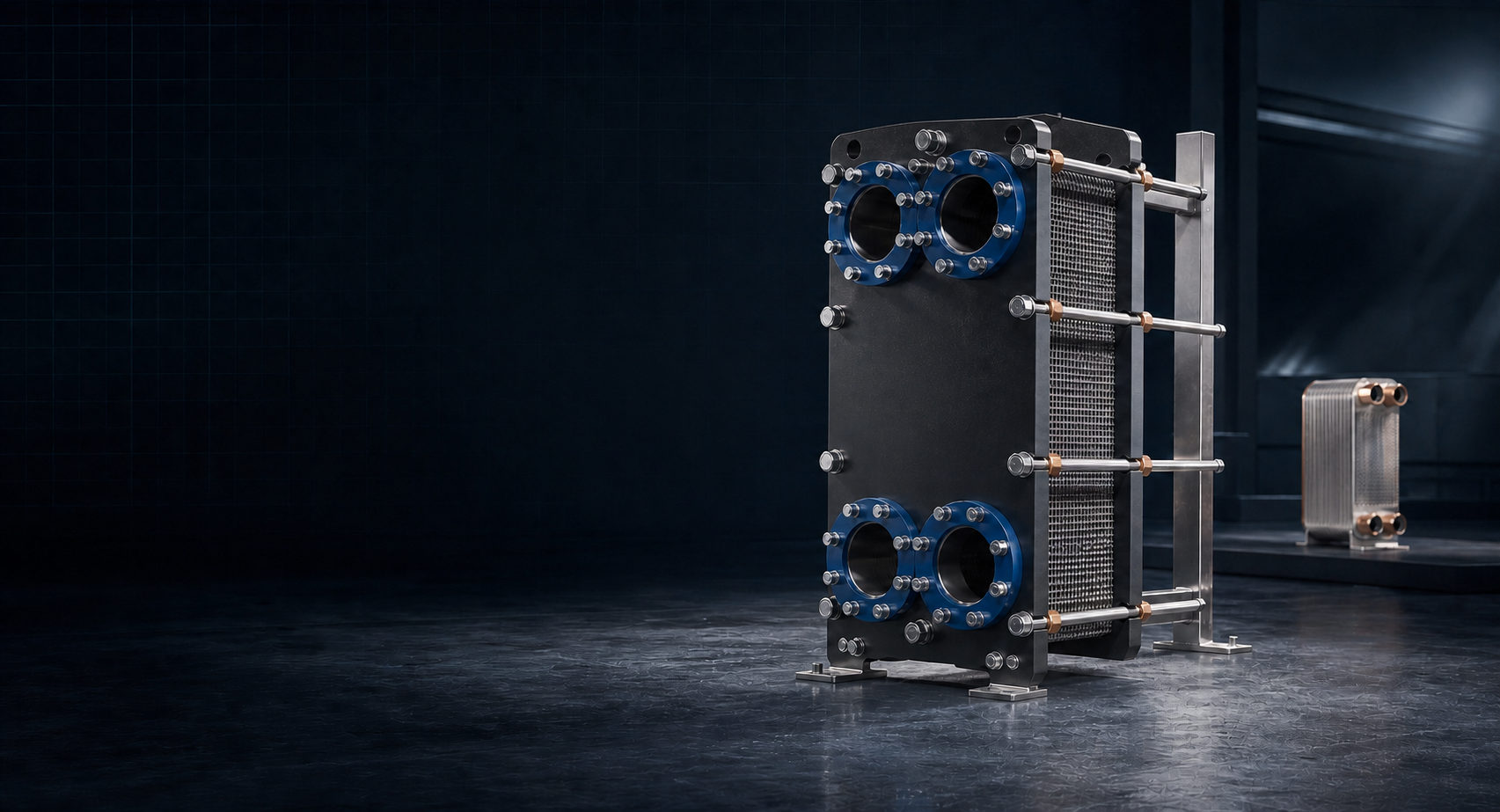
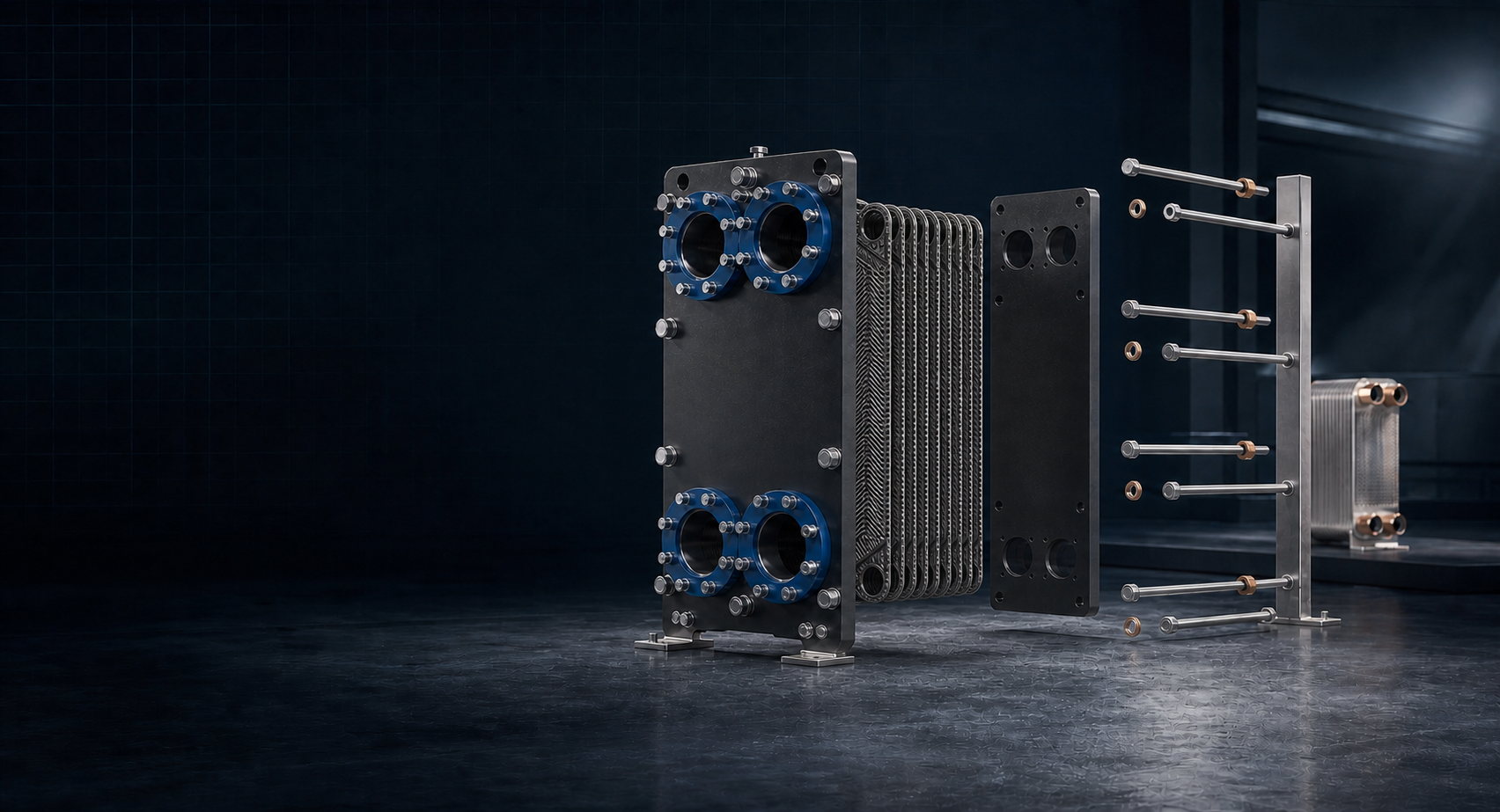
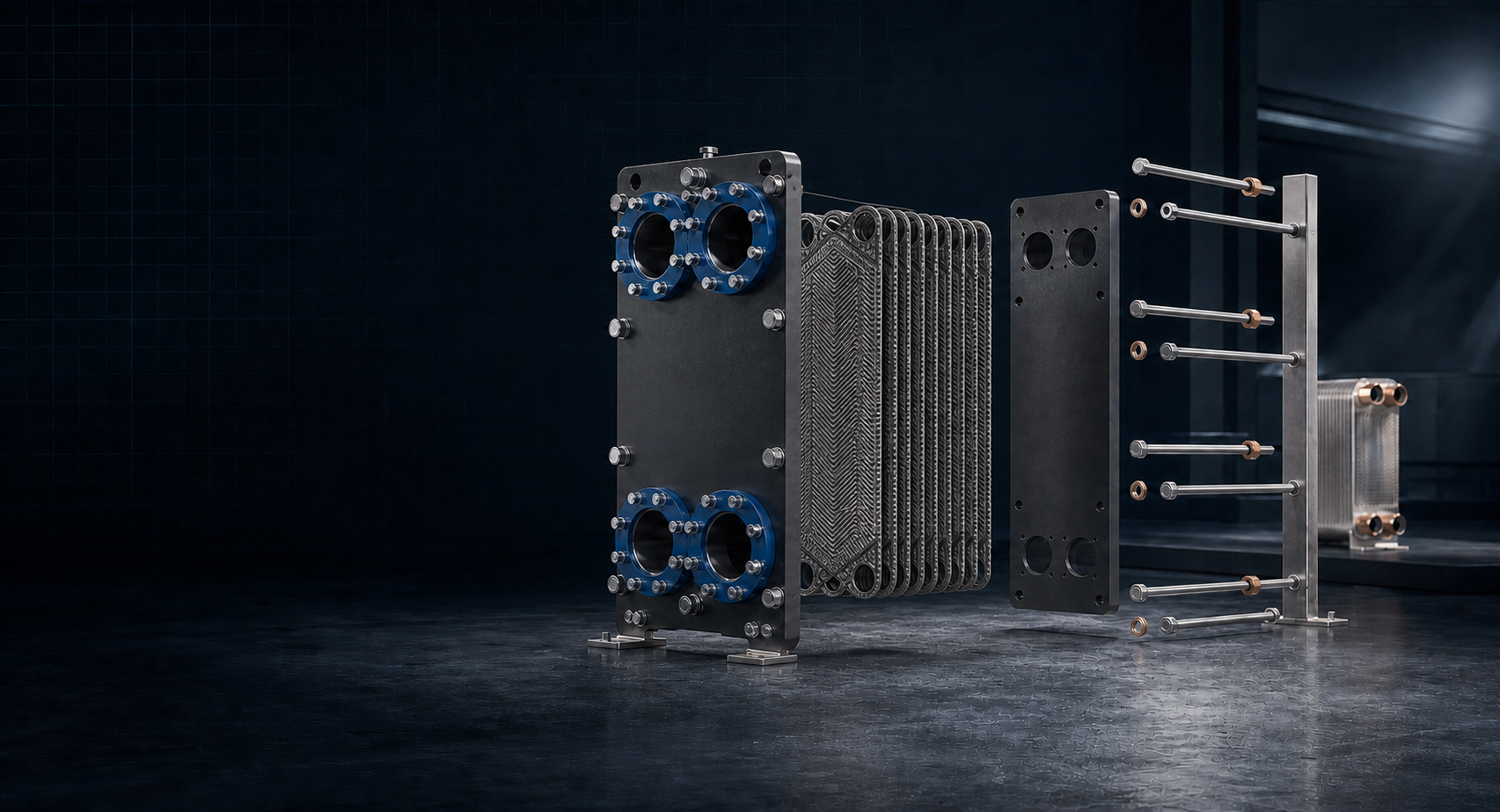
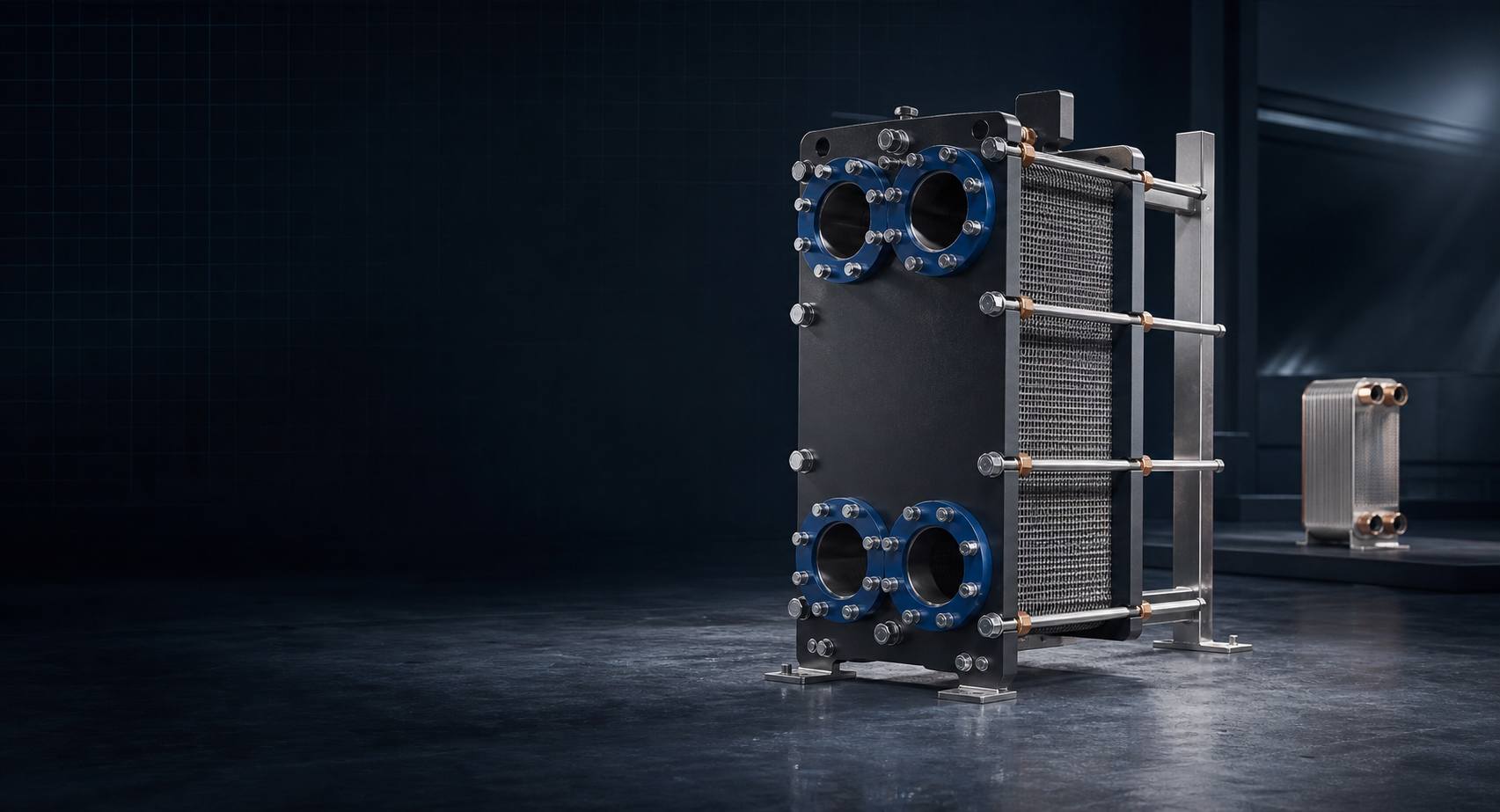
Complete plate heat exchanger units for new projects. Compatible plates and gaskets for maintenance and recurring supply.

XX+ compatible modelsXX export marketsXX h technical response
03 · MANUFACTURING

From plates and gaskets to complete-unit assembly.

Real production records show the principal manufacturing stages behind CHENHE plate heat exchangers.

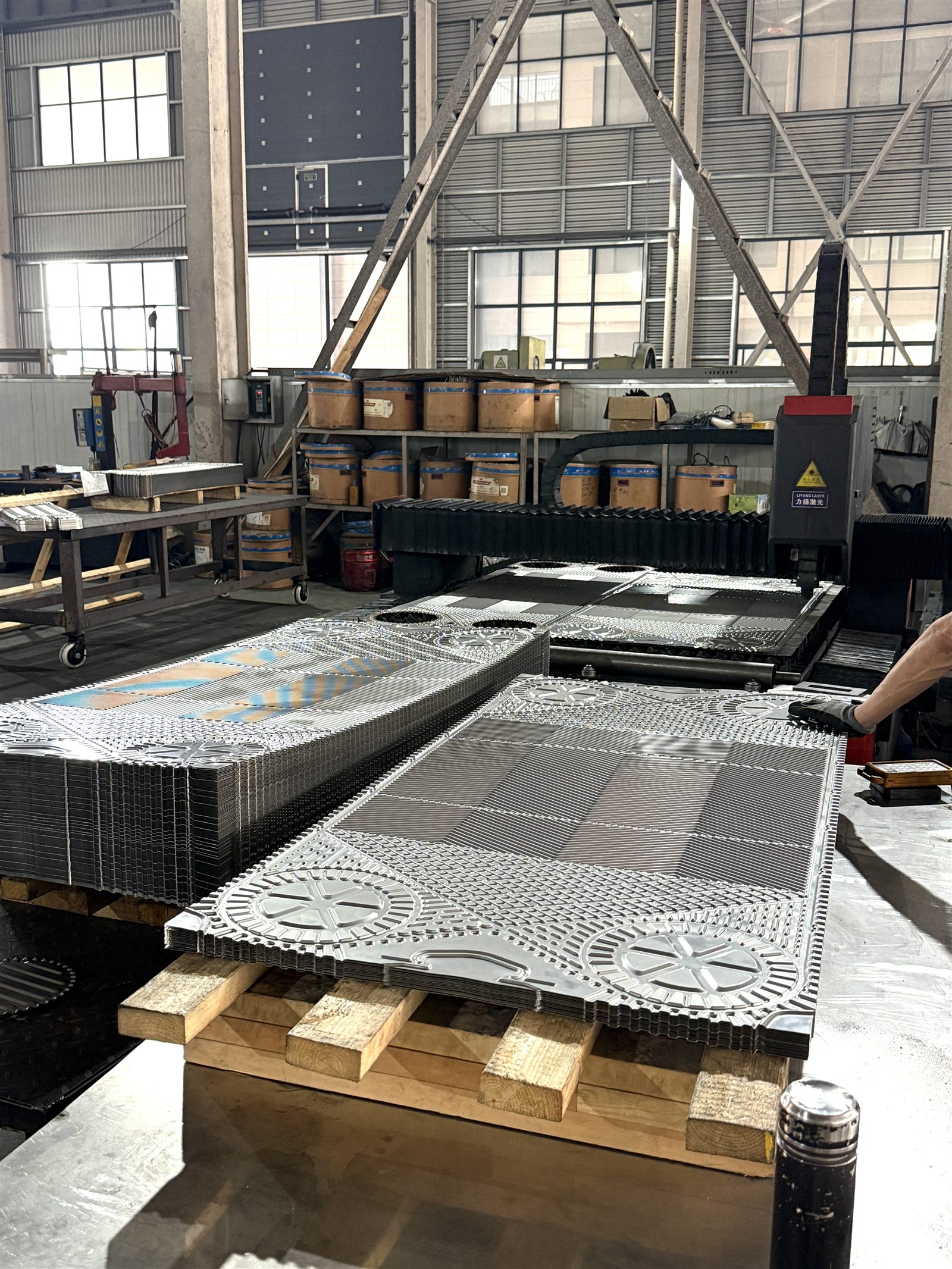
Heat exchanger plate cutting and forming
03

Plate production

Laser cutting, pressing and forming of heat transfer plates.
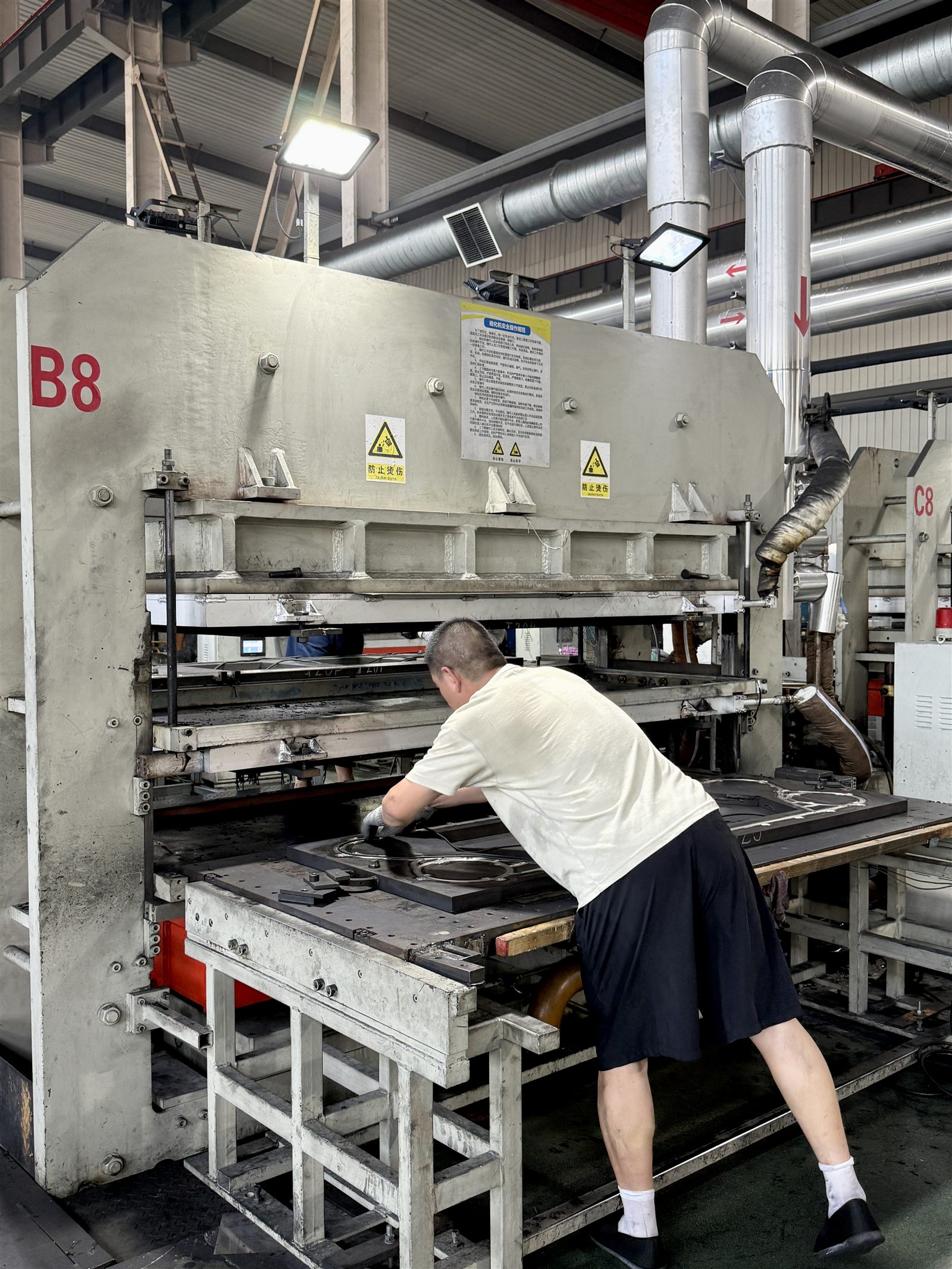
Heat exchanger gasket production
04

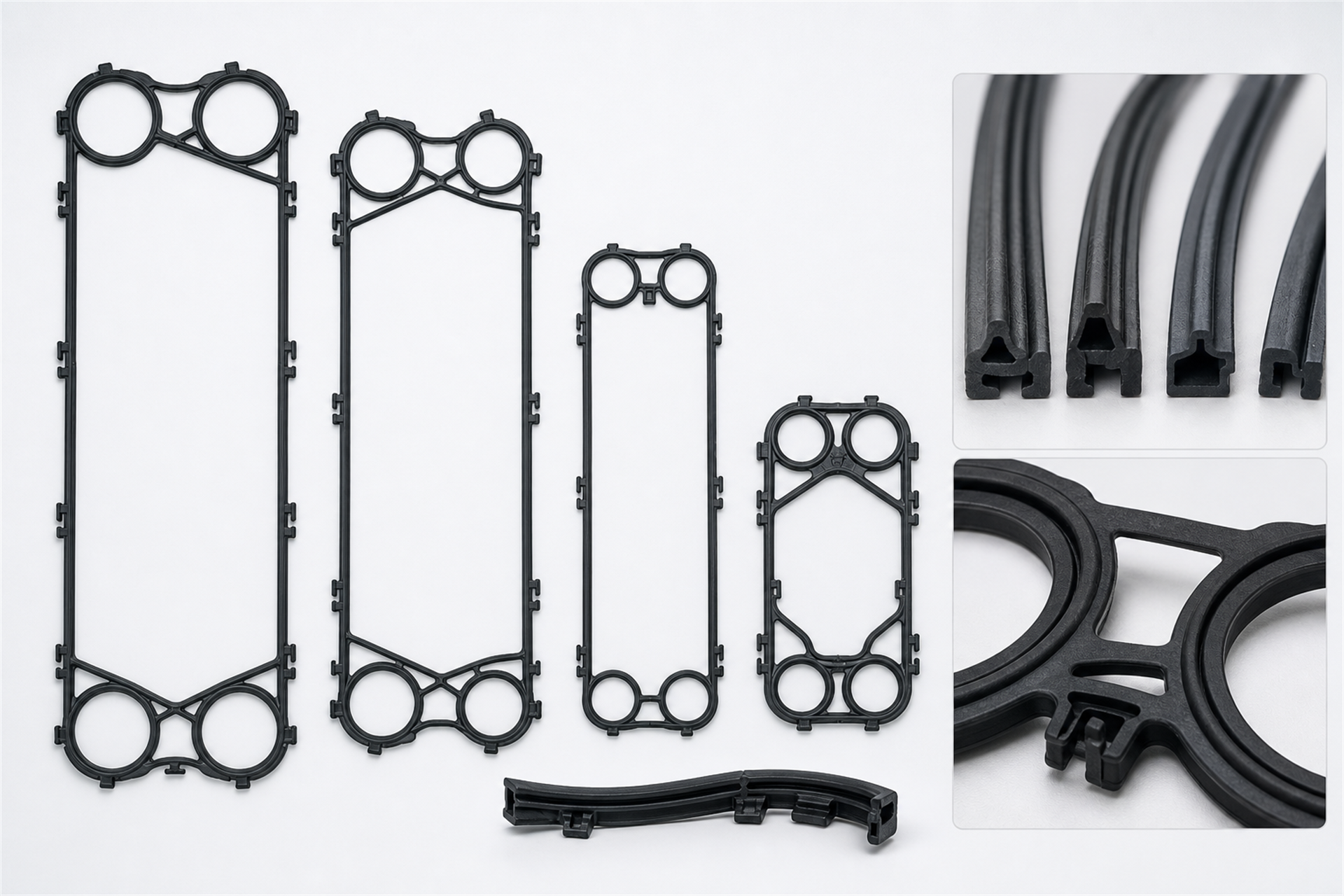
Gasket production

Sealing gasket production, finishing and classified storage.
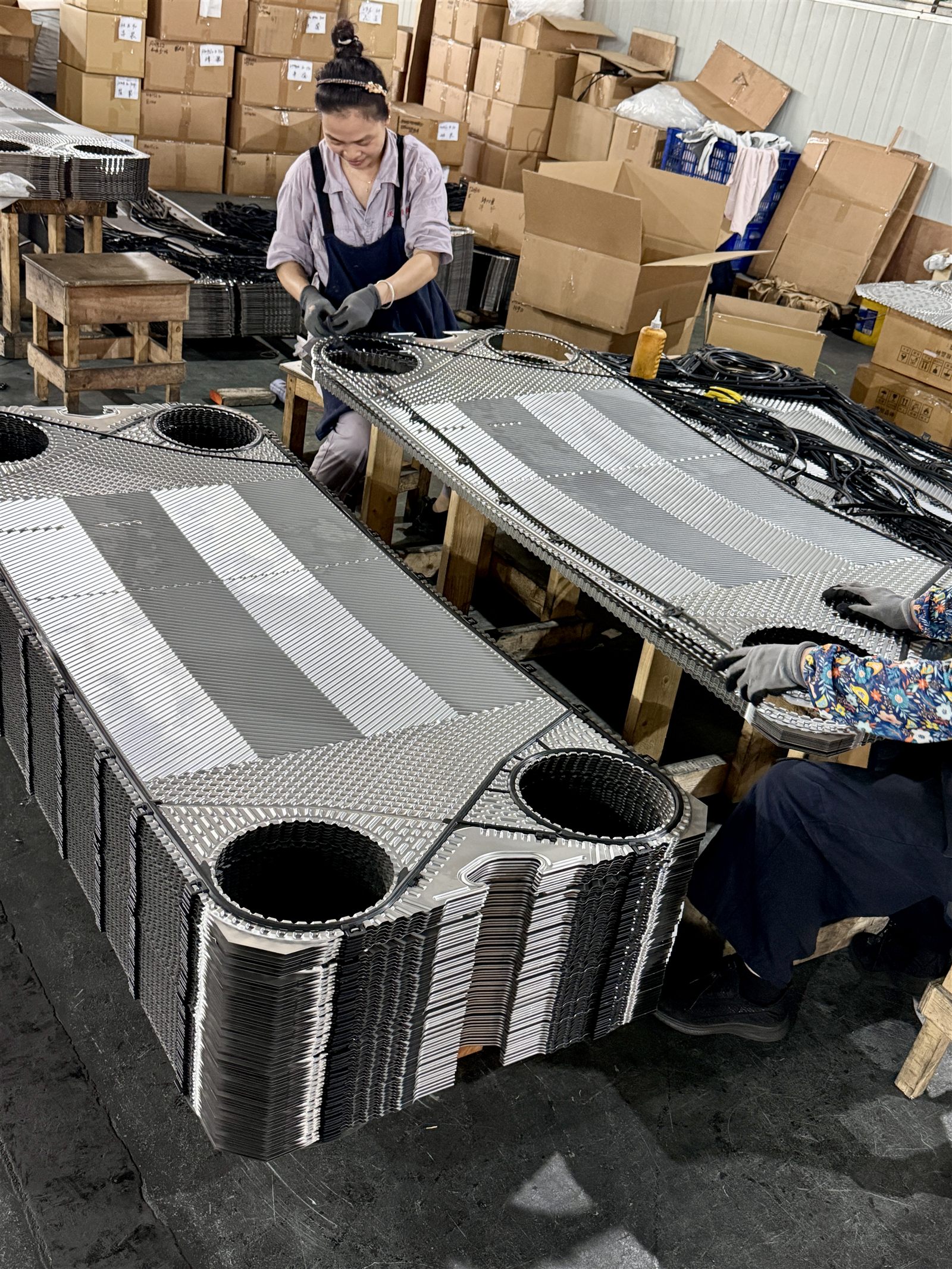
Plate and gasket assembly
06

Plate-pack assembly

Plates and sealing gaskets matched and assembled as a complete pack.
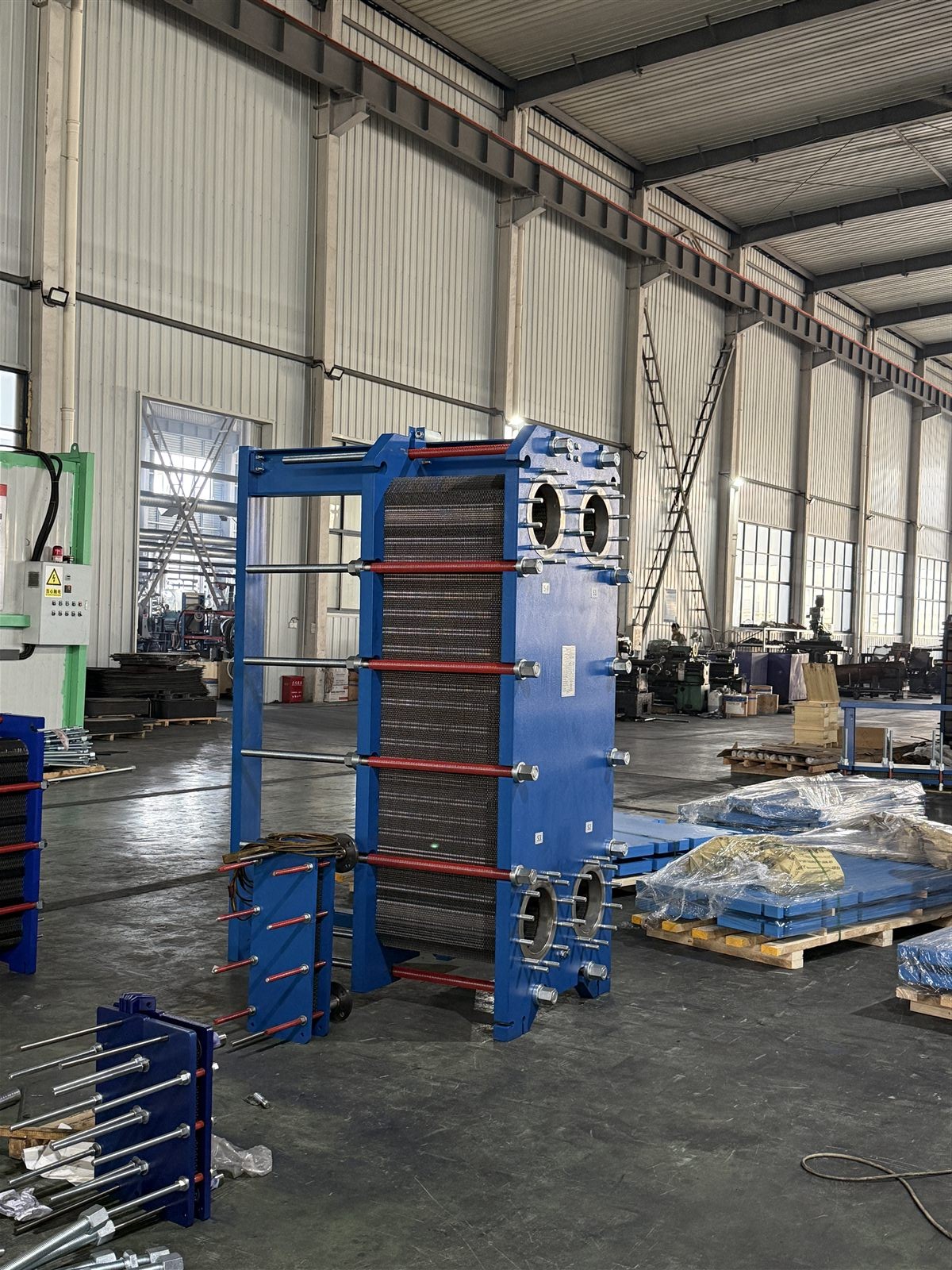
Complete plate heat exchanger assembly
07

Complete-unit assembly

Gasketed plate heat exchangers assembled in the workshop.

View manufacturing process
04 · APPLICATIONS

Industrial heating, cooling and heat recovery.

Common application directions are shown below. Final selection depends on media, temperature, flow, pressure, pressure drop and hygienic requirements.

01

Food & Beverage

  • Dairy, beverage and salt processes
  • Juice, sauces and edible-oil heating or cooling
  • Pasteurization, fermentation, distillation and heat recovery
02

Pharmaceutical

  • Process-solution heating and cooling
  • Injection-water and intermediate-product temperature control
  • Hygienic-system heat recovery
03

Machinery

  • Quench-liquid and quench-oil cooling
  • Plating-solution and lubricant cooling
  • Cooling machines and wire-drawing equipment
04

Glass & Cement

  • Equipment cooling-water duties
  • Lubrication-system cooling
  • Waste-heat recovery and process control
05

Chemical

  • Acid, alkali and formaldehyde-water cooling
  • Chlor-alkali and inorganic-salt processes
  • Drying towers, membranes and production-line heat transfer
06

Textile

  • Waste-liquid and boiling-catalyst heat recovery
  • Adhesive cooling
  • Acetate and alkaline-solution cooling
07

Non-ferrous Metals

  • Alumina mother-liquor heating and cooling
  • Copper-electrolyte cooling
  • Aluminium-refining solution and rolling-oil cooling
08

Nuclear & Thermal Power

  • Equipment cooling-water systems
  • Diesel generator and fuel-cell cooling
  • Transformer-oil cooling and low-temperature nuclear heating
09

District Heating

  • Power-station and district-heating networks
  • Domestic hot water and boiler circuits
  • Radiant-floor heating
10

Oils & Fats

  • Detergent and vegetable-oil heat transfer
  • Fish oil, glycerine and emulsified-oil heating or cooling
  • Sodium-hydroxide solution cooling
11

Pulp & Paper

  • Sodium-hydroxide solution cooling
  • Bleaching-liquor heating and cooling
  • Waste-liquor heat recovery and preheating
12

Marine

  • Diesel oil and jacket-water cooling
  • Lubricating-oil and central cooling systems
  • Fuel preheating
13

Air Conditioning

  • Refrigerant cooling, condensation and evaporation
  • Compressor lubricant cooling
  • Circulating-water cooling and heating
05 · FAQ

Plate heat exchanger questions

Practical answers covering selection, design ranges, materials and common maintenance issues.

How do I select the right plate heat exchanger?
Selection starts with the actual duty: hot- and cold-side inlet/outlet temperatures, flow rates, media properties, pressure, allowable pressure drop and connection requirements.
What pressure range can a plate heat exchanger handle?
Typical ranges are up to 2.5 MPa for gasketed units, 4.0 MPa for brazed units, 6.0 MPa for fully welded units and 2.5 MPa for semi-welded units. Final limits depend on model and material.
What temperature range is available?
Typical ranges are 0–180°C for gasketed units, 0–200°C for brazed units, 0–350°C for fully welded units and 0–180°C for semi-welded units.
Which plate materials are commonly available?
Common materials include 304 and 316L stainless steel, titanium, Hastelloy and 254SMO. Selection depends on corrosion, temperature and hygienic requirements.
Which gasket materials are commonly available?
Common options include EPDM, NBR, HNBR and FKM, plus fluorinated, PTFE and silicone solutions for specific duties.
What causes internal or external leakage?
External leakage is commonly linked to aged, damaged or incorrectly compressed gaskets. Internal leakage may indicate cracked or damaged plates.
What should I do if heat-transfer performance drops?
The usual causes are fouling or blockage between plate channels, off-design flow or incorrect piping. Verify operating data, then inspect and clean the plate pack.
CONTACT CHENHE

Operating data, or an existing model?

Send what you have and the CHENHE technical team will guide the next step.

Request a quote