03
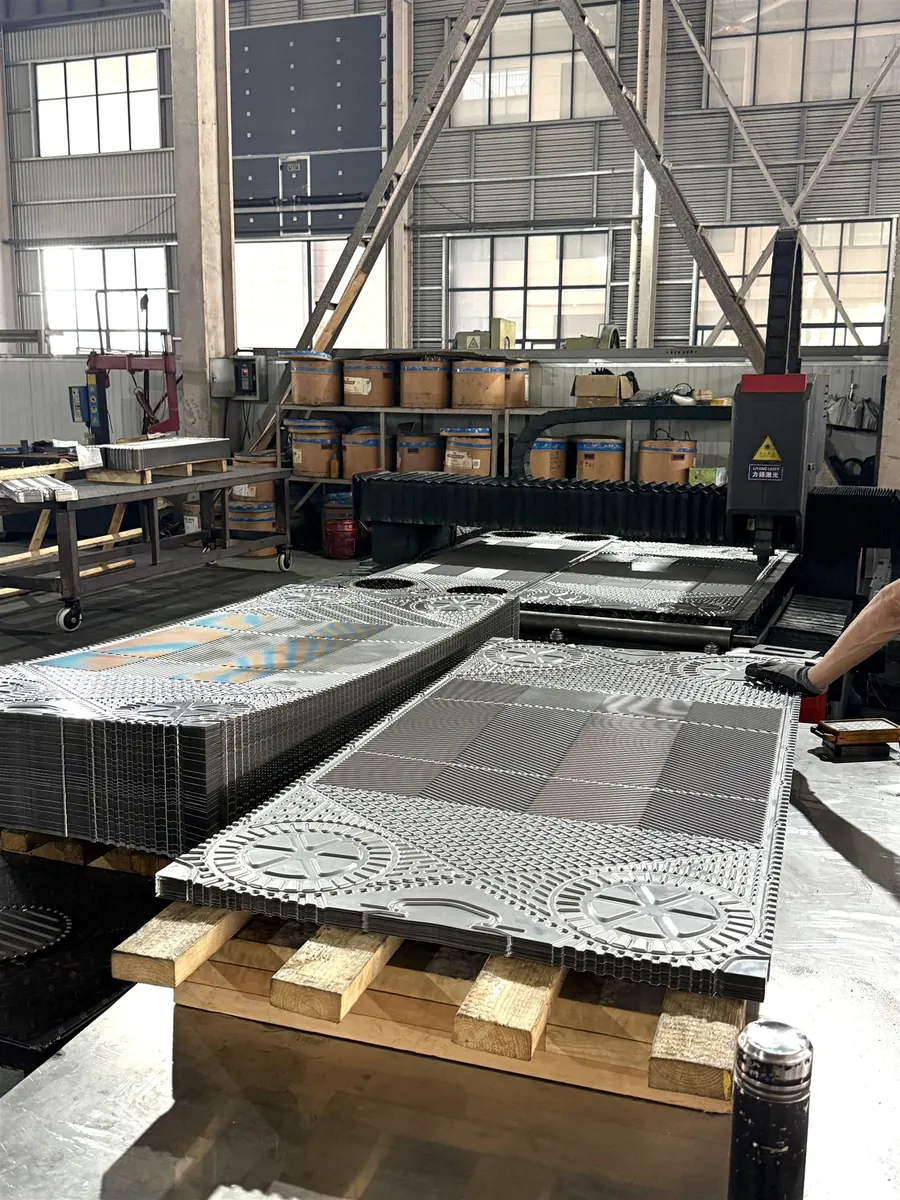
Plate production
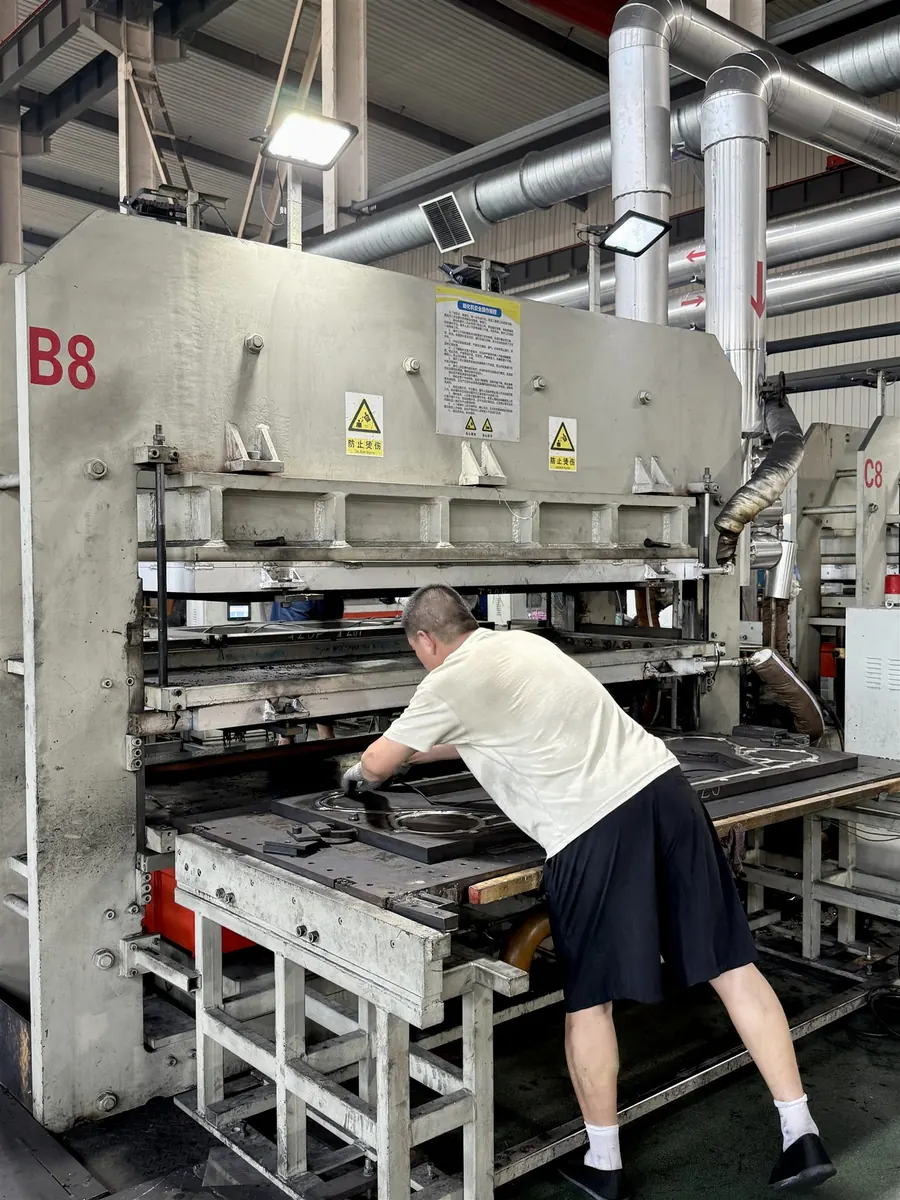
Laser cutting, pressing and forming of heat transfer plates.

High-performance plate heat exchangers and precisely matched replacement parts—engineered around your operating conditions.

Configured for new projects, system upgrades and capacity expansion.
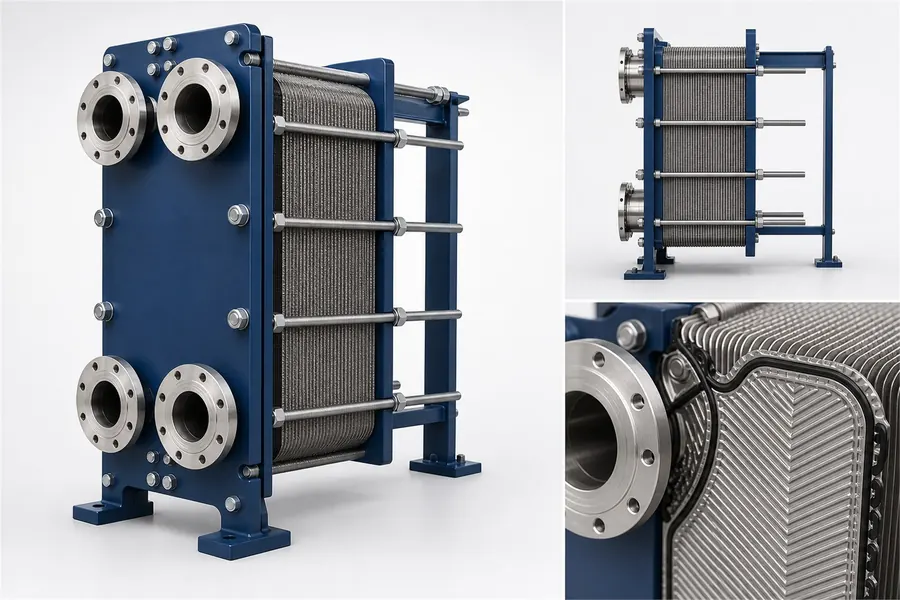 COMPLETE UNIT
Serviceable units for industrial, HVAC, marine, food and energy duties.
View models & specifications ↗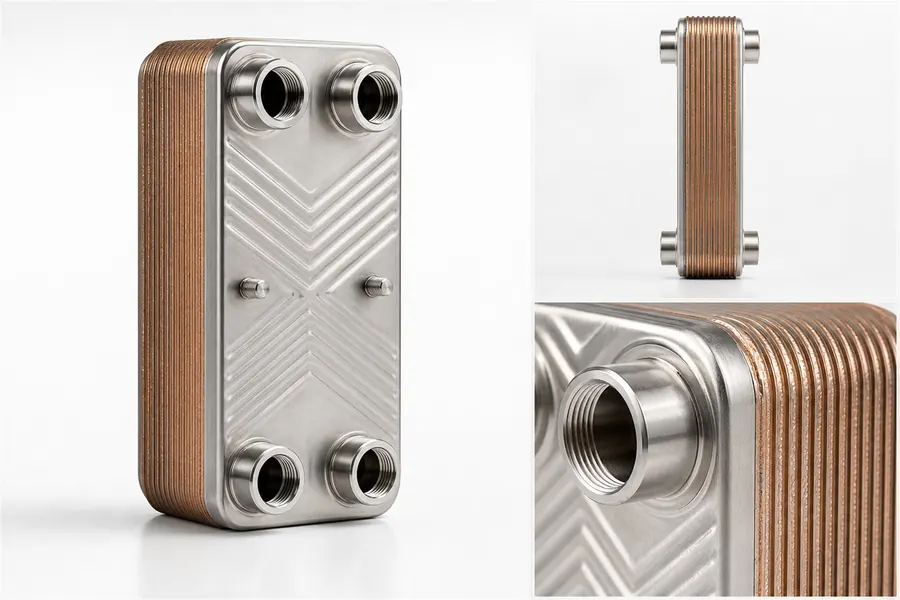 COMPLETE UNIT
Compact, high-efficiency units for HVAC, heat pumps and refrigeration.
View models & specifications ↗Identified by brand, model, dimensions, nameplate and physical photos.
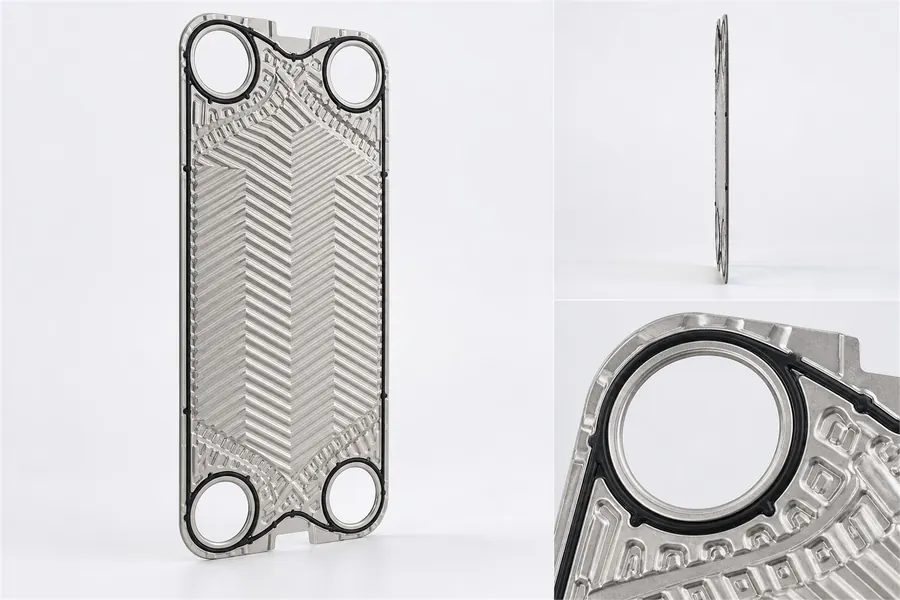 REPLACEMENT PART
Stainless steel, titanium, nickel alloy and special-material options.
View models & specifications ↗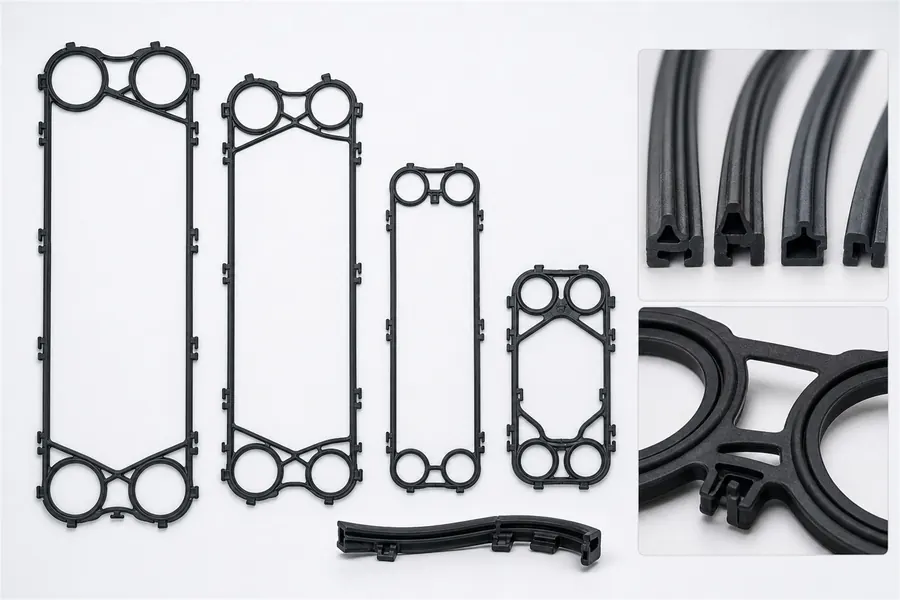 REPLACEMENT PART
NBR, EPDM, FKM, HNBR and food-grade options for compatible models.
View models & specifications ↗Real production records show the principal manufacturing stages behind CHENHE plate heat exchangers.
Laser cutting, pressing and forming of heat transfer plates.
Sealing gasket production, finishing and classified storage.
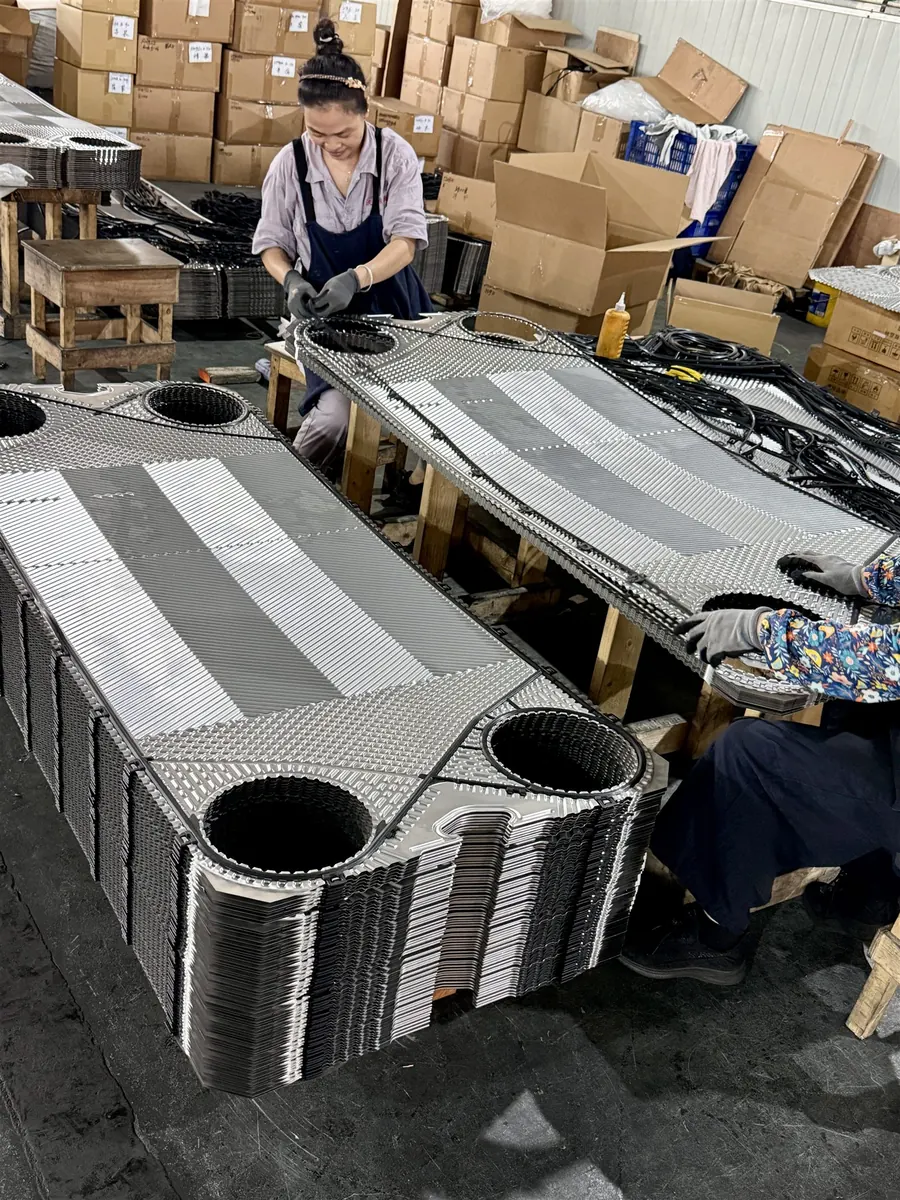
Plates and sealing gaskets matched and assembled as a complete pack.
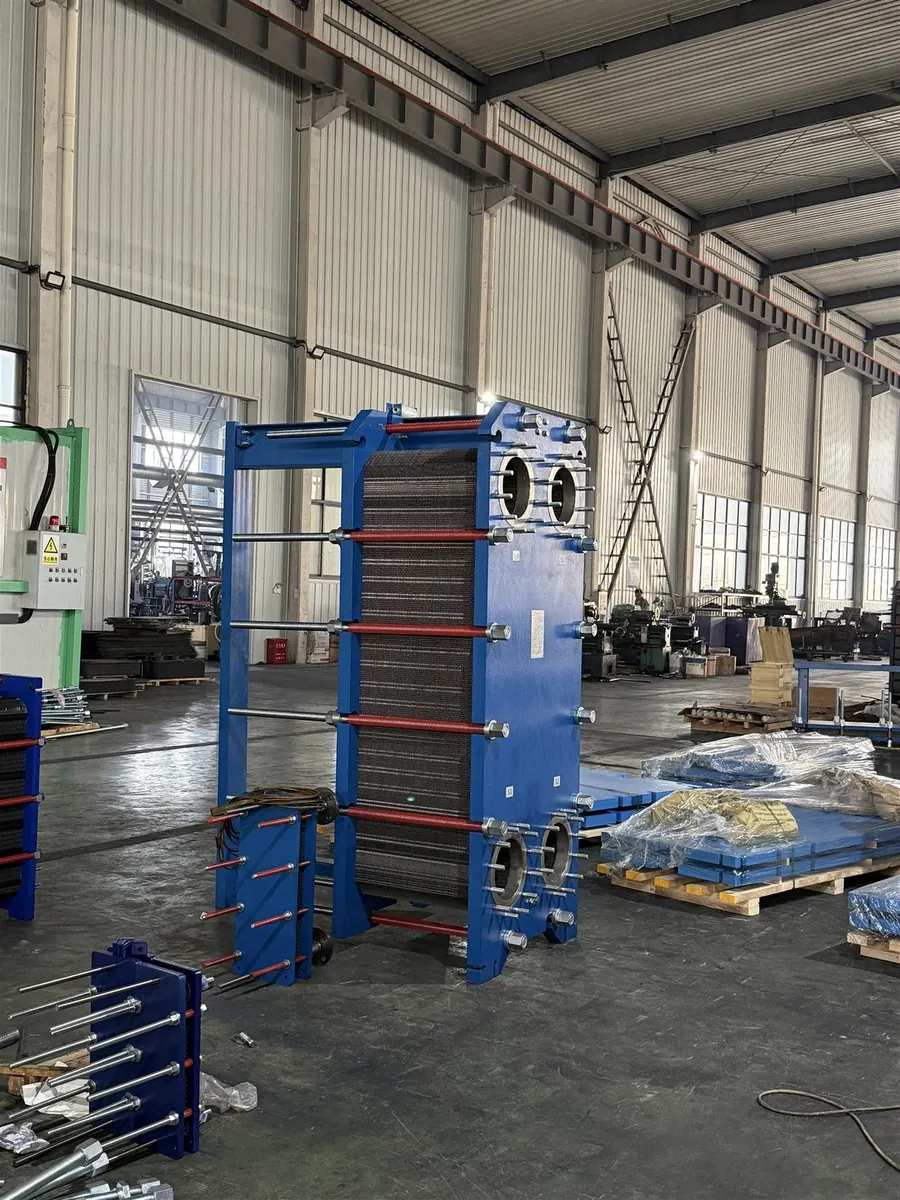
Gasketed plate heat exchangers assembled in the workshop.
Common application directions are shown below. Final selection depends on media, temperature, flow, pressure, pressure drop and hygienic requirements.
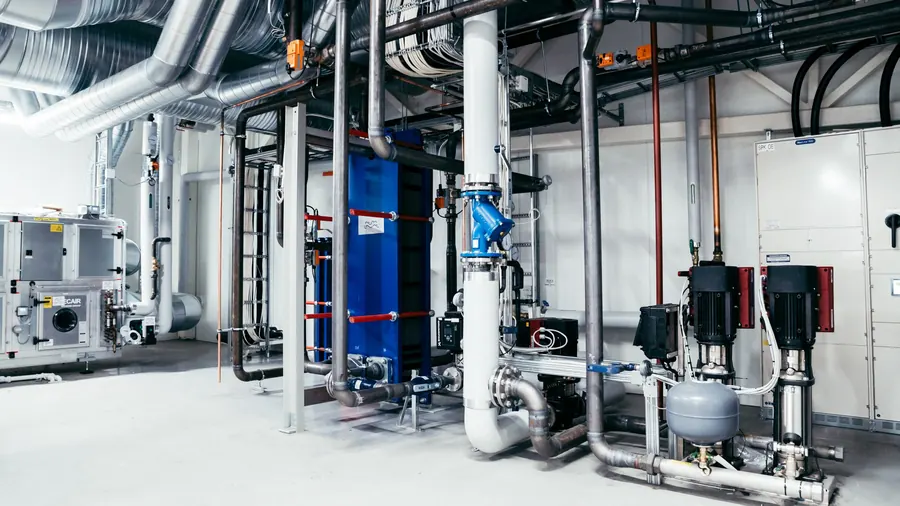
District heating, chilled-water separation, hot water and heat recovery.
Explore solution ↗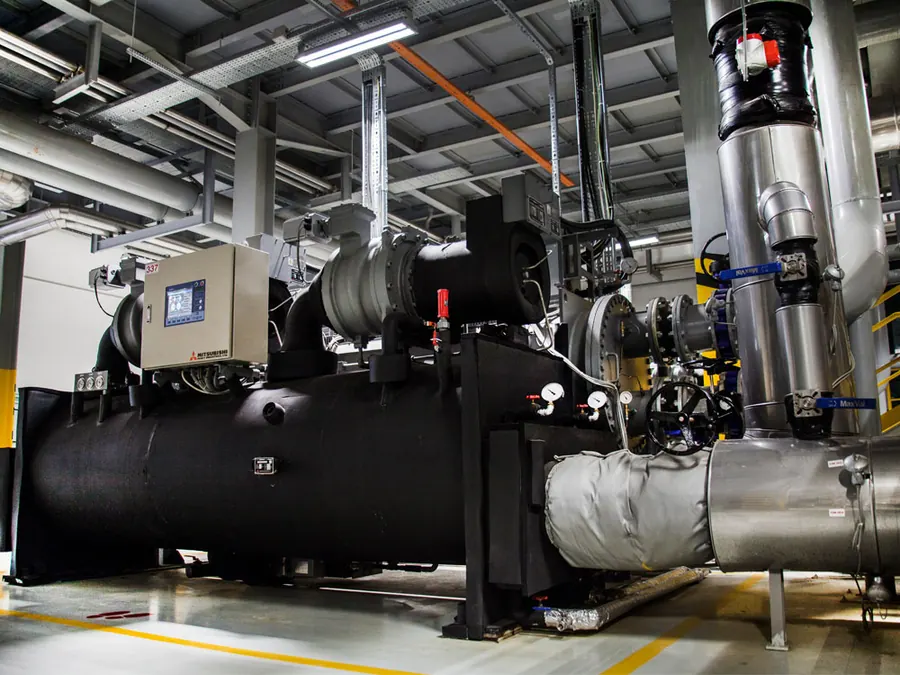
Evaporation, condensation, economizing and system heat recovery.
Explore solution ↗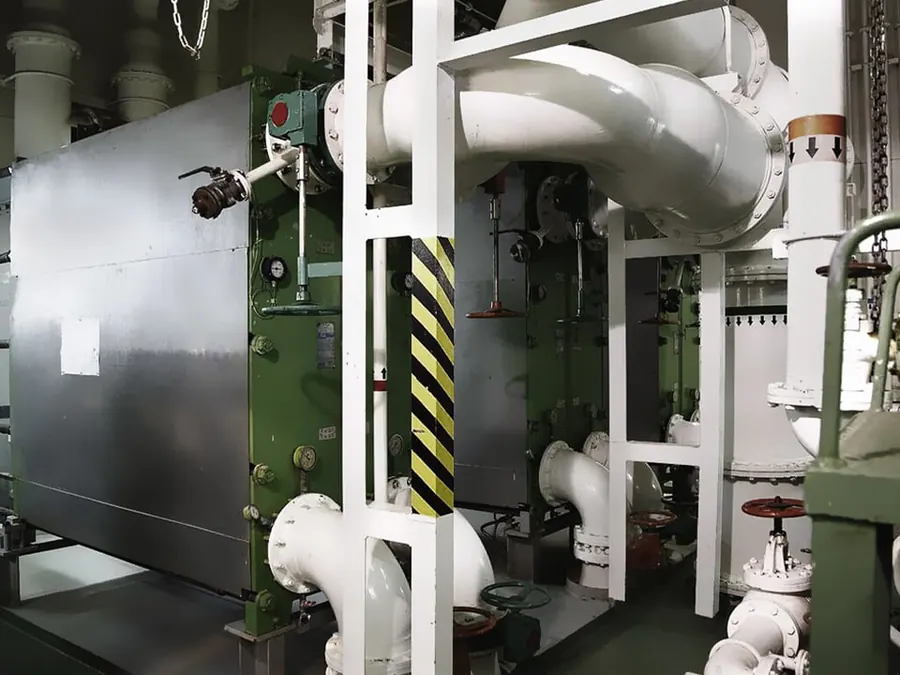
Central cooling, jacket water and lubricating-oil cooling.
Explore solution ↗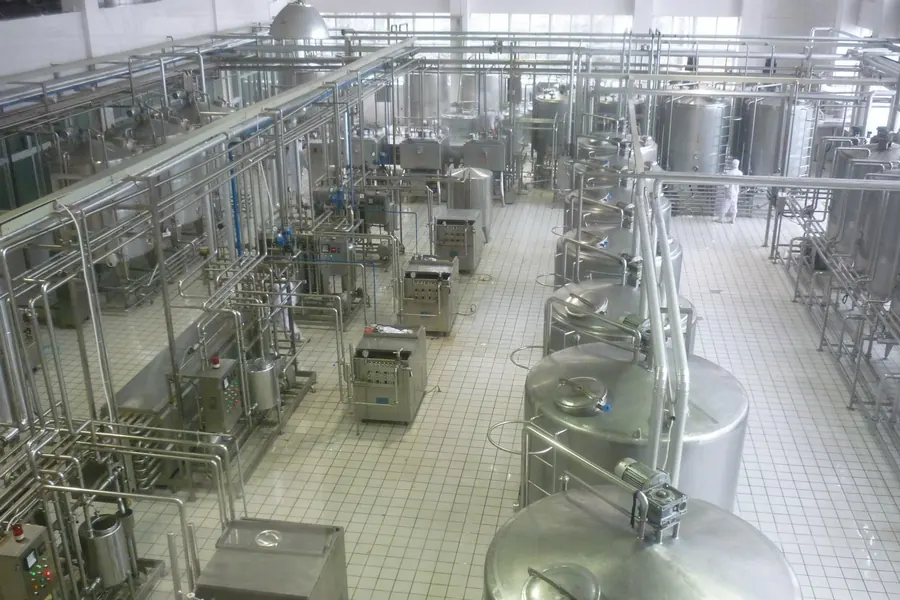
Pasteurization, process cooling, hot water and heat recovery.
Explore solution ↗These are additional application directions; equipment is confirmed against the actual duty.
See plate heat exchangers operating in public buildings, petrochemical plants and steel-industry systems.
View all case studies ↗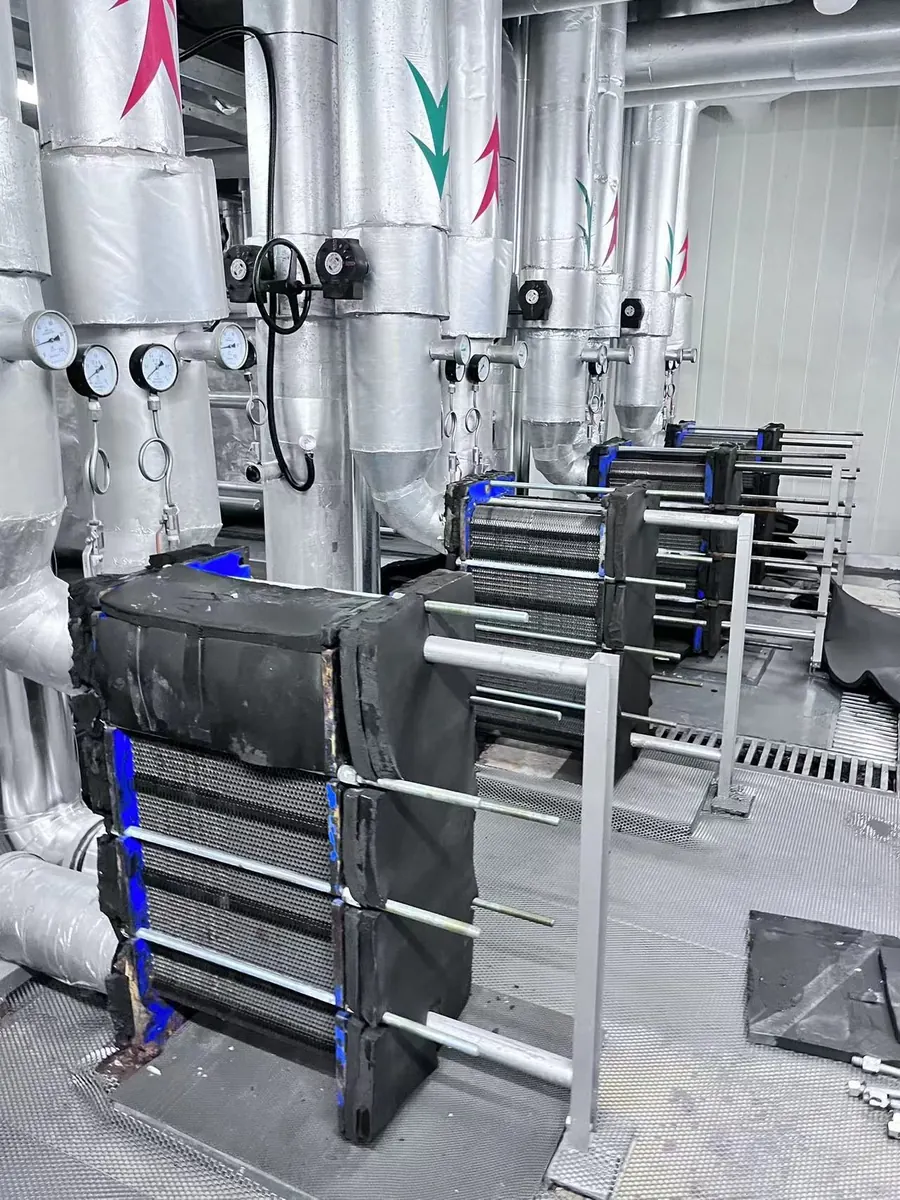
Multiple gasketed plate heat exchangers installed in a building energy plant for heat transfer and hydraulic separation between independent circuits.
View project ↗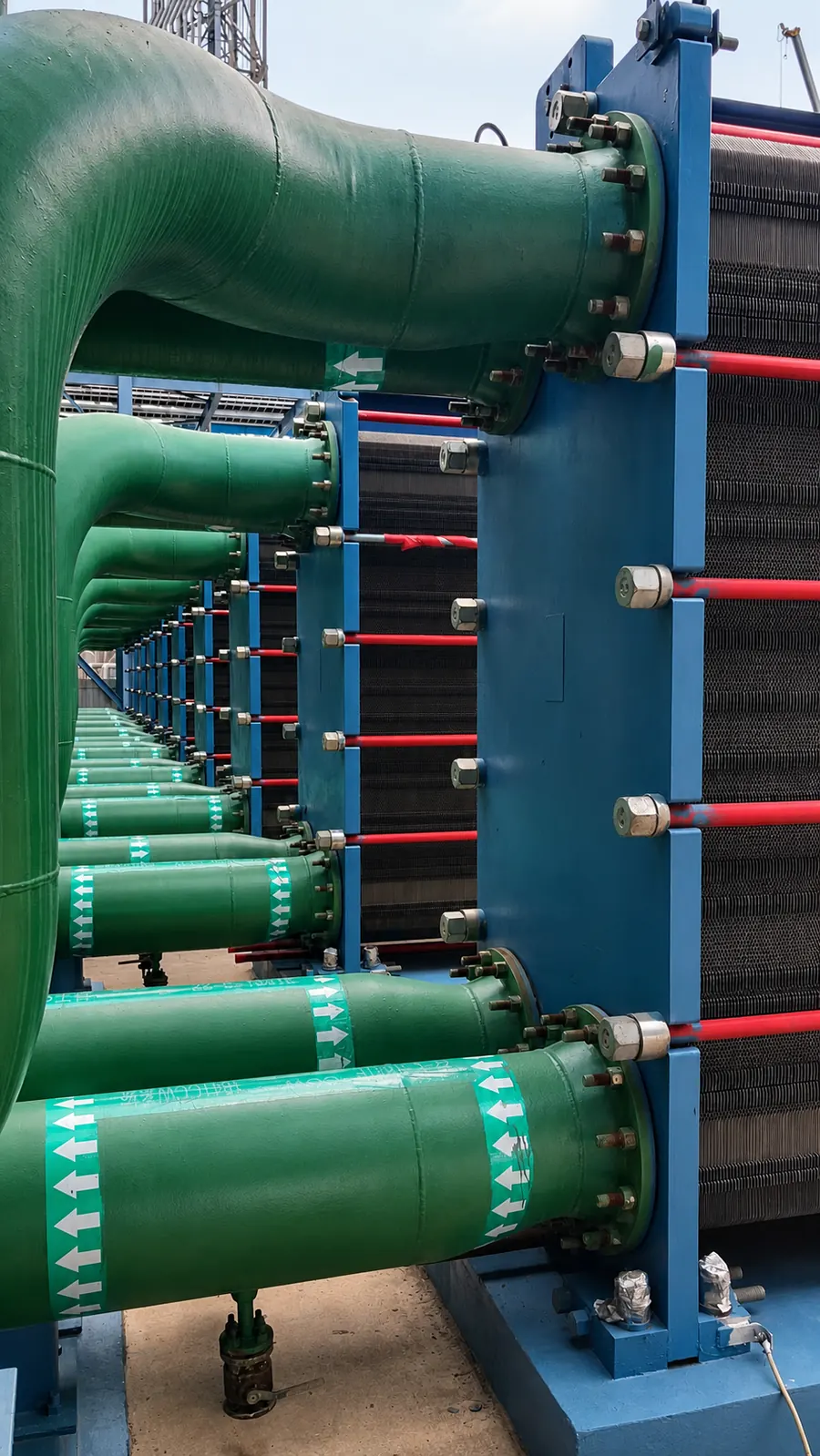
Multiple plate heat exchangers arranged in parallel within the process network for concentrated duty, compact footprint and grouped maintenance.
View project ↗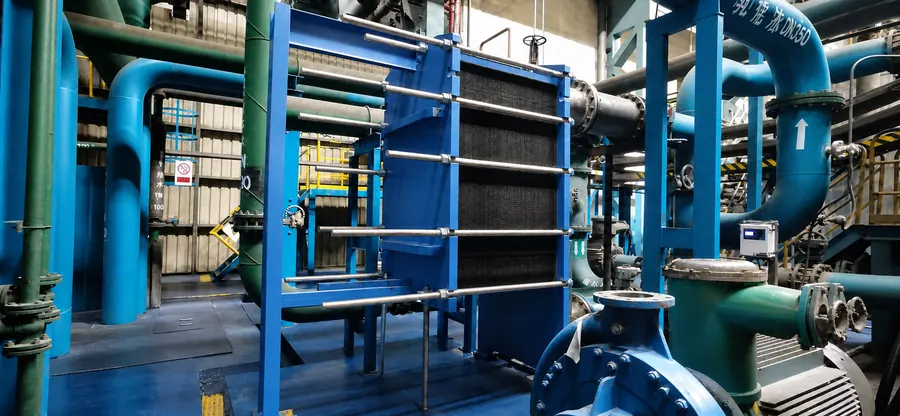
Gasketed plate heat exchangers integrated into a steel-plant cooling network provide a compact and maintainable thermal link for demanding equipment.
View project ↗Practical answers covering selection, design ranges, materials and common maintenance issues.
Send what you have and the CHENHE technical team will guide the next step.
Request a quote ↗Scan the QR code, or copy our number and start a chat in WhatsApp.
