
Port liners and connection rings
Corrosion-resistant inserts separating the process fluid from the carbon-steel frame opening.
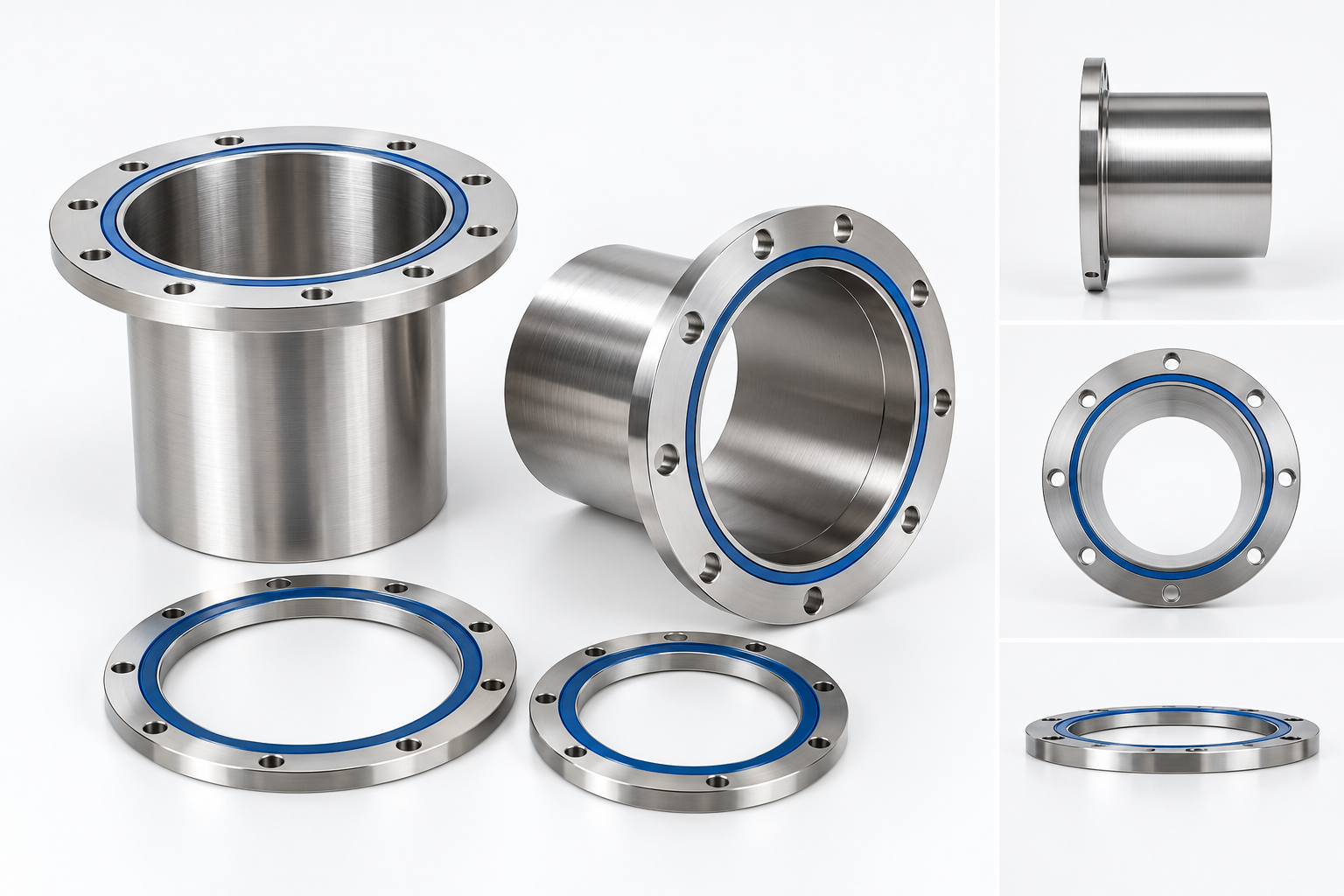
Configured for the existing frame and operating duty.
Corrosion-resistant inserts separating the process fluid from the carbon-steel frame opening.
- Reference
- PL / port diameter / liner depth / flange interface / material
- Materials
- 316L stainless steel, titanium, nickel alloy, rubber-lined or polymer-lined construction according to the medium.
- Applies to
- Gasketed plate exchangers with lined frame ports
- Supply basis
- Approved drawing or verified physical sample
Compare accessories specifications, materials and compatible models.
Line by line comparison by specification type. The following is the configuration classification. The official supply model and size must be confirmed according to the original machine data.
| Accessory type | Accessory models/ordering specifications | Commonly used materials | Applicable working conditions | Key points in selection |
|---|---|---|---|---|
| Metal port bushing | Supply model to be confirmed PL / port diameter / liner depth / flange interface / material | 316L / Titanium / Nickel Alloy (by medium) | Media channels requiring isolation of carbon steel ports | Corrosion-resistant materials, flange integrity and sealed contact surfaces |
| Rubber or polymer lining | Supply model to be confirmed PL / port diameter / liner depth / flange interface / material | Rubber/polymer by media | Media channels requiring non-metallic isolation | Material temperature resistance, medium resistance and lining fixation method |
| connecting ring | Supply model to be confirmed PL / port diameter / liner depth / flange interface / material | Materials are confirmed according to original machine drawings and media | Port connections and seal positioning | Contact surface fit, positioning structure and material compatibility |
The above types are not standard models confirmed to be interchangeable. Please provide the accessories supply list, adapted models and dimensional drawings to complete the specific models and values; compatible models that do not use plates or rubber pads will be used as the basis for frame parts adaptation.
From existing machine to confirmed replacement.
- 01Identify the exchanger and required components
- 02Compare drawings, photographs and critical dimensions
- 03Confirm material, coating, load and service conditions
- 04Approve the final manufacturing drawing before production
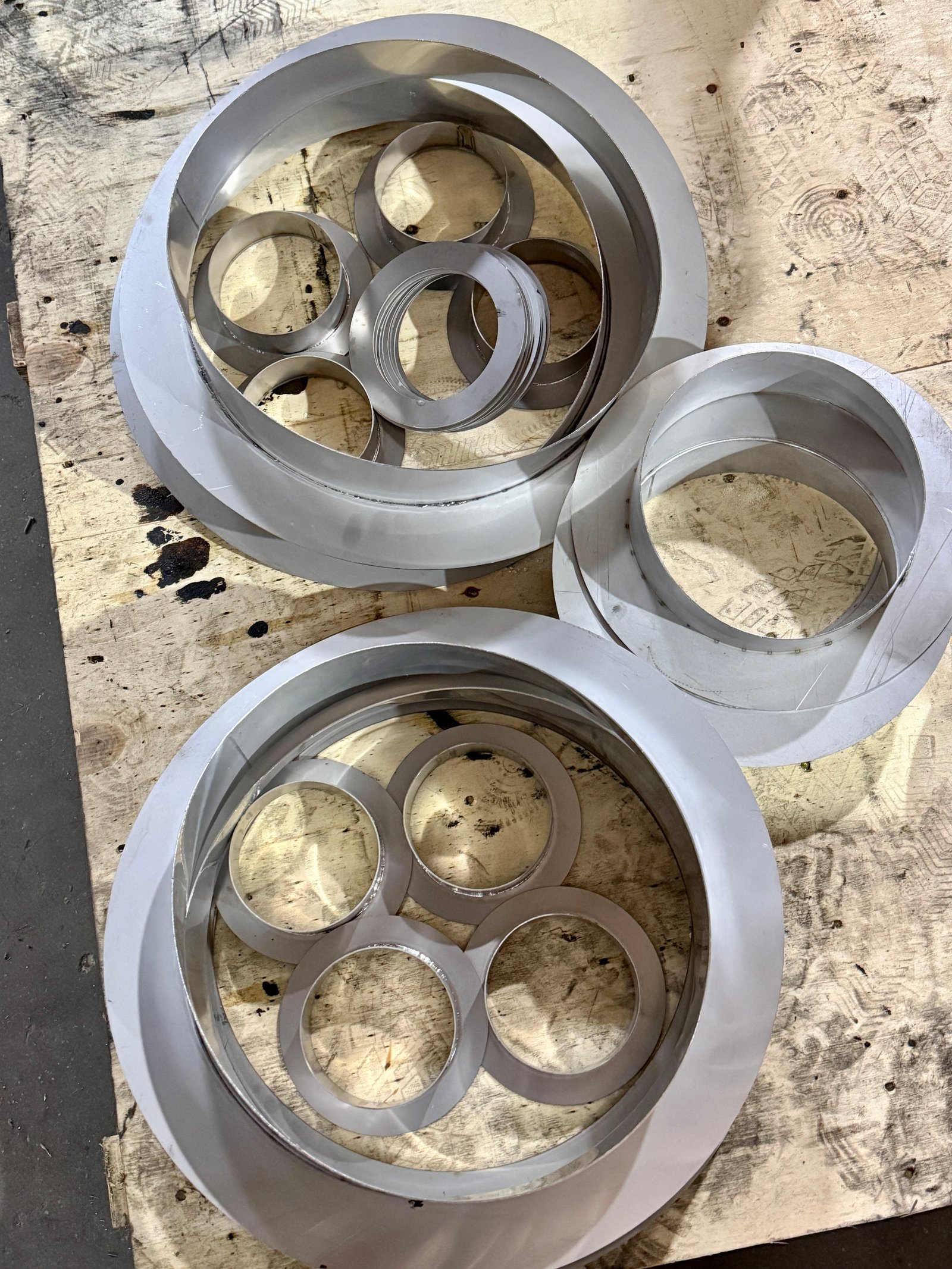
Physical details and production site.
Photos of actual components, processing and stocking; actual supply specifications are subject to confirmed drawings.

Continue to another component page.
Need to confirm a compatible port liners and connection rings?
Send the equipment model, photographs and dimensions for technical review.
Submit a parts inquiry ↗